
Selling the Family Home When You Downsize
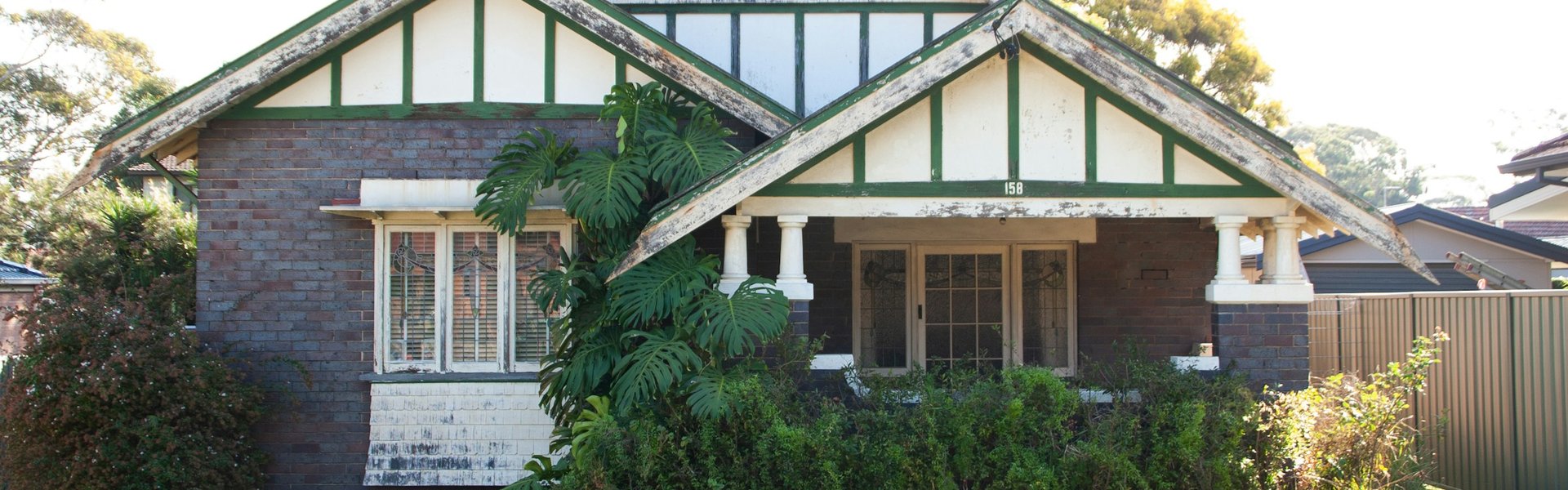
The family home is rarely just a house. It's where the birthdays were celebrated and where the garden grew up right alongside the family. So when the time comes to move somewhere smaller, selling it can feel like a much bigger job than any sale you've made before.
The good news is that a long-held home often has plenty going for it, and a little planning makes the whole process feel calmer. Our guide to the emotional and practical side of downsizing covers letting go and setting up a smaller space. This article focuses on the sale itself, from your first conversation with an agent to handing over the keys.
Start with a conversation, not a deadline
Many downsizers have a rough timeline in mind, such as before winter or once the grandkids' school year finishes. That's a great starting point, but it helps to get an appraisal well before you need to move. It gives you a realistic picture of where your home sits in the current Geelong market and time to think about your next step without pressure.
Consumer Affairs Victoria (CAV) says that if you don't give your agent an asking or reserve price, the agent must set a reasonable estimated selling price based on comparable sales, and should get your written approval of the price or range your home will be advertised at. You can read more in CAV's guide to preparing to sell your property. Our article on Victoria's new property price rules explains how that price information is now shown to buyers.
If you haven't sold in a long while, it's also worth reading our guide on who to use to sell your house in Geelong before you sign anything.
Sort the paperwork early
A home that has been in the family for decades usually has a story told in its renovations. Perhaps a carport went up in the eighties, or the back of the house was opened up when the kids were teenagers. Those changes are part of the home's appeal, and they're also something buyers will ask about.
CAV explains that before a property is sold, you must give the buyer a Section 32 statement, which is usually prepared by your legal practitioner or conveyancer. It must be factually accurate and complete. If it contains incorrect or insufficient information, a buyer may be able to withdraw from the sale or take legal action. CAV's page on conveyancing and contracts for sellers sets out what the statement covers.
That's why engaging a conveyancer early is such a good move. Dig out old building permits and paperwork from past work while you have time, rather than in the middle of a campaign. Our guide to the Section 32 vendor statement walks through it in more detail.
Presenting a home that's been well lived in
You don't need to make a family home look brand new. Buyers often love the established garden and the solid bones of an older property. What helps most is a clean, uncluttered home with small repairs taken care of, so buyers can picture themselves living there.
CAV notes that while it's fine to present a property in a good light, it's illegal to mislead a buyer about its true condition. It also suggests hiding personal items you don't want the public to see and locking away valuables before open inspections. For practical ideas on getting the house ready, see our guide to preparing and staging your home for sale in Geelong.
Decide what goes with the house
After many years in one place, some fixtures carry real sentimental value. It might be a light fitting your parents chose, or the rose bush planted when your first child was born. Have those family conversations before the home goes on the market, not after a buyer has fallen for it.
CAV recommends that the contract of sale lists the items in the property that are part of the purchase, because items not listed in the contract can be hard to claim at settlement. Being clear about inclusions and exclusions from day one keeps negotiations friendly and avoids surprises on moving day.
Line up settlement with your next move
For most downsizers, timing is the part that matters most. According to CAV, you set the settlement date in the contract of sale, and the settlement period is usually 30 to 90 days and can be negotiated with the buyer. If you plan to buy your next home before this one settles, CAV notes you may need a bridging loan, and suggests trying to negotiate settlement dates instead, because bridging finance can be more expensive than a regular home loan.
A couple of other points from CAV's guide to property settlement for sellers are worth keeping in mind:
- Buyers are entitled to inspect the property at any reasonable time during the week before settlement.
- The contract requires you to hand the property over in the same condition as when it was sold.
- Rates and other outgoings are adjusted between you and the buyer at settlement.
- Once settlement is complete, the buyer can collect the keys from your agent and take possession.
Give yourself a comfortable buffer for packing and moving out, especially if you're sorting through decades of belongings. For the full journey from appraisal through to settlement day, see selling a house in Geelong: from appraisal to settlement.
A fresh start worth looking forward to
Selling the family home is a milestone, and it's okay for it to feel bittersweet. It's also the beginning of a chapter with less upkeep and more time for the people and things you enjoy.
If you're also weighing up what comes next, our guide on how to buy a house in Geelong covers the buying side in plain English.
Talk to a local team
Whenever you're ready to start the conversation, our team would love to help you plan a sale that suits your timing. Request a sales appraisal and we'll talk you through what your home could achieve and how to line things up with your next move, or find your nearest Hayeswinckle office.
This article is general information only and is not legal or financial advice. Talk to a licensed conveyancer or legal practitioner about your situation.
You might also be interested in
Nov 26, 2026
Selling a Rental Property With Tenants in Victoria
Deciding to sell an investment property is a big call, and it's even more of a juggle when someone is living there. The good news is that a tenanted home can sell smoothly. It mostly comes down to pla

Nov 26, 2026
What It Costs to Sell a House in Geelong
If you're planning a sale, it helps to understand the main costs before you sign anything. In Victoria, there is no set real estate commission, and the amounts you pay an agent are negotiable. Other c