

Downsizers: The Emotional & Practical Side of Downsizing
A Free Guide from Hayeswinckle Real Estate
Downsizers – The Emotional & Practical Side of Downsizing
Moving to a smaller home can be both exciting and overwhelming. Downsizing isn’t just about losing space—it’s about gaining freedom, time, and lifestyle flexibility. Whether it’s your first move in years or a deliberate lifestyle change, this guide will walk you through the emotional, practical, and lifestyle aspects of downsizing, offering tips and strategies for every stage of the journey.
Why Downsizing Matters
Downsizing is about more than square footage. It’s about creating a home and lifestyle that suits your current needs, reduces stress, and frees up resources. People choose to downsize for a variety of reasons. Perhaps your children have moved out, leaving you with more space than you need. Retirement or a lifestyle change may prompt you to consider a home that better matches your current priorities. Reducing maintenance and costs, moving closer to family or friends, or unlocking equity to enjoy travel, hobbies, or investments are all common motivators. Ultimately, downsizing isn’t giving up—it’s gaining a home and life that works for you.
The Emotional Side of Downsizing

Leaving a home full of memories can feel daunting. Houses hold more than furniture—they hold the milestones, celebrations, quiet mornings, and family moments that shape our lives. Coming to terms with this change starts with accepting that memories aren’t tied to a house—they live with you. To help with the transition, walk through each room and reflect on the memories attached, take photos or videos of meaningful spaces and décor, or create memory boxes for sentimental items. Open conversations with family about what to keep can also make the process easier. Feeling emotional is natural—it’s a sign that your home truly mattered.
The fear of losing memories is one of the most common emotional barriers to downsizing. In reality, the memories go with you, not the house. Practical strategies like photographing rooms, furniture, and favorite corners, keeping a selection of sentimental items, digitizing documents and photos, or gifting cherished items to loved ones can preserve your memories without cluttering your new space. Creating a scrapbook or digital slideshow can also be a comforting way to honor your past while embracing the future. Letting go of items you no longer use does not mean forgetting the memories—they stay with you.
Planning Your New Space
A smaller home can feel just as comfortable and stylish as a larger one if you plan carefully. Downsizing offers the chance to rethink your space and focus only on what you truly need. Begin by identifying your essential furniture and appliances and measuring every room to ensure your items will fit. Multi-functional furniture, such as sofas with storage, fold-out tables, or modular units, can help maximize space, while open layouts and natural light make smaller areas feel larger. Considering traffic flow and everyday living needs in advance reduces stress and ensures your new home works as well as—or even better than—your previous one.
Decluttering and Organizing
Decluttering is central to a successful downsizing experience. Tackling one room at a time allows you to thoughtfully decide what to keep, donate, sell, recycle, or discard. Asking yourself if an item is used regularly or brings joy can help simplify decisions. Scheduling decluttering sessions instead of attempting everything at once makes the process more manageable. Organizing your new home efficiently is equally important. Vertical shelving, wall-mounted storage, under-bed drawers, and furniture with hidden compartments can maximize space. Digitizing documents and photos keeps them safe without occupying physical space, and clearly labeling boxes makes moving easier.
Smart Space-Saving Solutions
Practical solutions can make smaller homes feel roomy and functional. Foldable furniture, hidden storage, hooks and racks for everyday items, and multi-purpose rooms, such as a home office that doubles as a guest space, are excellent options. Light colours and mirrors can enhance natural light and create a sense of openness. Investing in pieces that serve more than one purpose simplifies life, saves space, and makes your home feel organized and adaptable.
Creating a Simpler, More Fulfilling Life
Downsizing is not just about managing space—it’s a lifestyle choice. A smaller home often leads to more freedom, less stress, and more time for the things that truly matter. With less upkeep to worry about, lower bills, and fewer possessions to maintain, you can focus on experiences rather than things. Embracing a “less is more” mentality in home décor and lifestyle helps prioritize spaces and possessions that support your happiness. It’s a chance to simplify daily routines, reduce stress, and enjoy a home and life that align with your values.

Financial Benefits
The financial advantages of downsizing are significant. Smaller homes often mean lower utility bills, insurance, maintenance costs, and property taxes. Selling your current home and purchasing a more suitable property can also release equity to fund travel, hobbies, or other experiences you’ve dreamed of. When choosing your next home, it’s worth considering how the move aligns with your financial goals. A smaller, well-located property can free up resources and give you the flexibility to live the life you want.
Selling Your Current Home
Preparing your home for sale is an essential step in the downsizing journey. Decluttering and depersonalizing rooms gives buyers a fresh perspective, while minor repairs, touch-ups, and staging can significantly increase appeal. Using a trusted agent to guide pricing, marketing, and negotiations ensures you make informed decisions and time the sale to align with your next move. Even small improvements can make a notable difference in both sale price and buyer interest, allowing for a smoother transition.
Choosing Your Next Home
When downsizing, the focus should be on finding a home that suits your current lifestyle. Location matters—being close to family, friends, amenities, or your preferred community enhances everyday life. The layout should be efficient, with open-plan spaces and functional rooms, while storage solutions like built-in cabinets and closets help keep clutter at bay. Consider adaptability for future mobility needs, hobbies, or hosting family visits. Your new home should support your life today while remaining flexible for tomorrow.
Moving and Organization Tips
A smooth move can transform downsizing from stressful to enjoyable. Start packing early and label boxes clearly, moving items in stages rather than all at once. Donate or sell items that won’t fit in your new space, and prepare essential boxes for the first few days in your new home. Professional movers can help with large furniture or tricky spaces, reducing stress and making the transition seamless. Treat moving as a fresh start—a chance to embrace new routines and spaces.
Embracing Your New Chapter
Downsizing is an opportunity for renewal, freedom, and joy. It offers less stress, more time, and a home that reflects your current lifestyle and priorities. By focusing on what you gain rather than what you leave behind, and approaching the process with thoughtful planning and practical solutions, downsizing can mark the start of an exciting, fulfilling chapter. Memories stay with you, and your new home can be a space that simplifies life while amplifying happiness.
Contact Hayeswinckle Real Estate today to discuss your downsizing options. Our team can help you every step of the way—from evaluating your current home to finding the perfect next space.
You might also be interested in
Dec 15, 2025
Old Highton home snapped up as builders circle
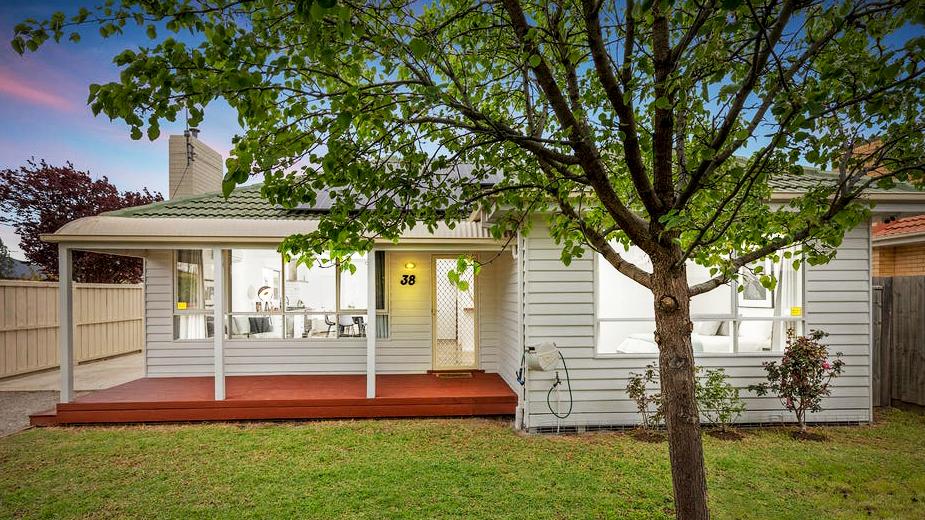
Buyers snapped up an ageing two-bedroom house on an 865sq m block for $748,500. Two bidders could see the potential in an 865sq m Highton property where the listing agent sale the old house was beyon
Nov 9, 2025
Retirees pounce on Newcomb home sold $128k over reserve
Owners of a Newcomb home couldn’t have timed the market any better after seven people bidding at their weekend auction pushed the price $128,000 over their reserve. The couple paid $435,000 for the th