
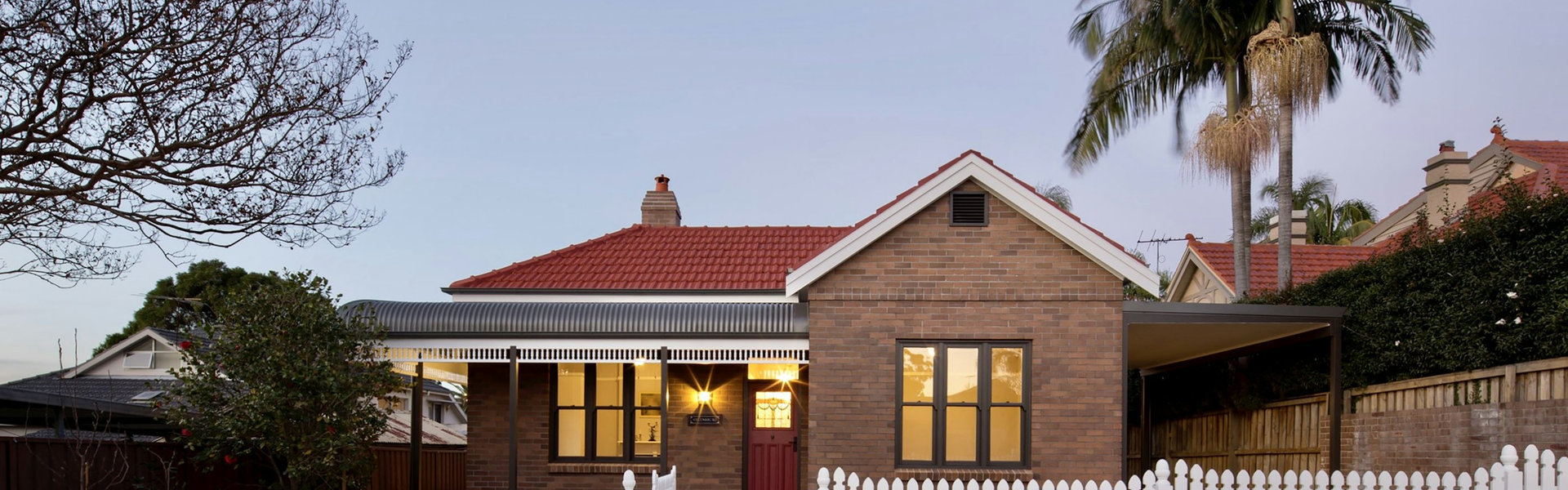
Selling a house in Geelong: from appraisal to settlement
Selling feels more manageable when you can see the path ahead. This guide walks through the main stages of a Geelong sale, from your first appraisal to handing over the keys, and the Victorian rules that apply along the way.
Every sale moves at its own pace, depending on your property, the method of sale and what you agree with the buyer. This article sits alongside our fuller guide, How to sell your house in Geelong.
This is general information only and is not legal advice. Speak to a licensed conveyancer or legal practitioner about your situation.
Step 1: Appraisal and choosing an agent
Most sales start with an appraisal. A local agent looks at your home, recent comparable sales nearby and your plans, then talks you through pricing, the method of sale and marketing.
Consumer Affairs Victoria suggests meeting several agents and discussing their local market knowledge, comparable sales, marketing plan, estimated selling price, commission and advertising costs. Ask for quotes in writing, and do not choose an agent only because they give the highest estimate. There is no cooling-off period after signing a sales authority, so only sign when you are ready to engage that agent.
You can also read what other sellers have said on our testimonials page.
Step 2: Sales authority, pricing and marketing
When you appoint an agent, you sign a sales authority. This legally binding contract records the method of sale, the commission and marketing expenses you have negotiated (with GST shown separately), the authority period and the agent's estimated selling price. See Selling property with or without an agent.
The estimated selling price must be reasonable and take into account the sale prices of the three most comparable properties. It is recorded as a single price or a range of up to 10 per cent. It is not a valuation or a guaranteed price. See Property sales method and price.
For residential sales, agents must use a Property Price Statement, which replaced the Statement of Information. It must be displayed at open for inspections and on the main online advertisement, and given to a prospective buyer within two business days of a request. It is also illegal to advertise a figure below your asking or reserve price, the agent's estimated selling price, or a written offer you have rejected because it was too low. An advertised price range cannot be more than 10 per cent. See Consumer Affairs Victoria's underquoting information.
For how Hayeswinckle plans campaigns, see our Marketing page.
Step 3: The campaign — opens, offers or auction
This is when buyers inspect your home and decide whether to make a move.
In a private sale, you and the buyer negotiate a price and terms, usually through your agent. If you agree, the contract can be conditional, for example subject to finance or a building inspection. Offers are usually accompanied by a full or part deposit. Consumer Affairs Victoria notes there are no laws about the amount of the deposit, but it is usually 10 per cent of the purchase price.
If you are heading to auction and agree to consider offers beforehand, buyers can make a pre-auction offer through your agent. Pre-auction offers are treated as a private sale.
For auctions and fixed-date sales on and from 16 October 2026, your agent must publish your reserve price at least seven days beforehand. The sale cannot proceed unless that reserve has been published for the full seven-day period. The reserve must be a single dollar amount, not qualified by words or symbols such as "from", "over" or "+". If the reserve has already been published when a pre-auction offer arrives, you can accept that offer even if the seven days have not yet passed. See Property sales method and price and Selling property by auction.
Step 4: Signing the contract
Your property is sold when both you and the buyer have signed the contract of sale. In a private sale, the buyer signs to make an offer, and you accept by signing too.
At auction, the successful bidder is invited to sign immediately afterwards. Auction contracts are unconditional, and the buyer pays the deposit on signing. If they do not have the full deposit on the day, you may agree to a part deposit, with the remainder due on a specified date. See Selling property by auction.
Before a buyer signs, they must be given your Section 32 statement, usually prepared by your legal practitioner or conveyancer. We explain this in Section 32 vendor statement: what Geelong sellers need to know. See also Conveyancing and contracts for sellers.
Step 5: Cooling-off, if it applies
For private sales of residential and small rural properties, Consumer Affairs Victoria says the buyer has a cooling-off period of three clear business days. CAV says the period starts from the day after the buyer signs the contract. To cool off, the buyer must give written notice, and they are entitled to a refund of money paid, less $100 or 0.2 per cent of the purchase price, whichever is greater.
Cooling-off does not apply if the property is purchased at a public auction, or within three clear business days before or after that auction. It also does not apply if the property is used mainly for industrial or commercial purposes, if it is more than 20 hectares and used mainly for farming, if the buyer previously signed a contract for the same property on the same terms, or if the buyer is an estate agent or a corporate body.
See Selling property by private sale and Selling property by auction.
Step 6: Settlement
You set the settlement date in the contract. Consumer Affairs Victoria says this is usually 30 to 90 days and can be negotiated with the buyer.
Buyers may inspect the property at any reasonable time in the week before settlement, and can contact your agent to arrange this. The contract requires you to hand the property over in the same condition as when it was sold.
Rates and other outgoings are adjusted at settlement. You are responsible for rates up to and including settlement day, and the buyer is responsible from the day after. The buyer then pays the balance, receives the title and, unless otherwise arranged, takes possession. Once settlement is complete, they can collect the keys from your agent.
The buyer, not the seller, pays land transfer duty (formerly stamp duty). For current details, see Property settlement and the State Revenue Office.
Start your Geelong sale with a clear plan
Hayeswinckle's agents, auctioneers, property managers and directors work together to keep each step on track. Find your nearest office in Geelong, East Geelong, Newtown, Highton or Lara.
Ready to take the first step? Request a sales appraisal.
This article is general information only and is not legal advice. Talk to a licensed conveyancer or legal practitioner about your situation.
You might also be interested in

Nov 10, 2026
How to prepare and stage your home for sale in Geelong
Most buyers meet your home on a screen before they ever walk through the door. A well-presented house photographs better, feels calmer at an open, and helps people imagine themselves living there. Thi

Nov 10, 2026
Section 32 vendor statement: what Geelong sellers need to know
If you are selling in Victoria, you will hear a lot about the Section 32. It is one of the most important documents in your sale. Getting it organised early helps buyers review the property properly a